
Published
4 December 2025
Author
@Mark Lewis
The Science of Cellular Health & Longevity
Why Your Cells Are the Real Key to Ageing Well
Healthy ageing isn’t just about how long you live — it’s about staying energetic, mobile, mentally sharp and free from chronic disease for as many years as possible.
This is your healthspan, and the strongest determinant of your healthspan is cellular health.
Everything your body does — movement, memory, immunity, repair, metabolism — is built on the foundation of how well your cells function.
1. Your Mitochondria: The Power Source of Ageing
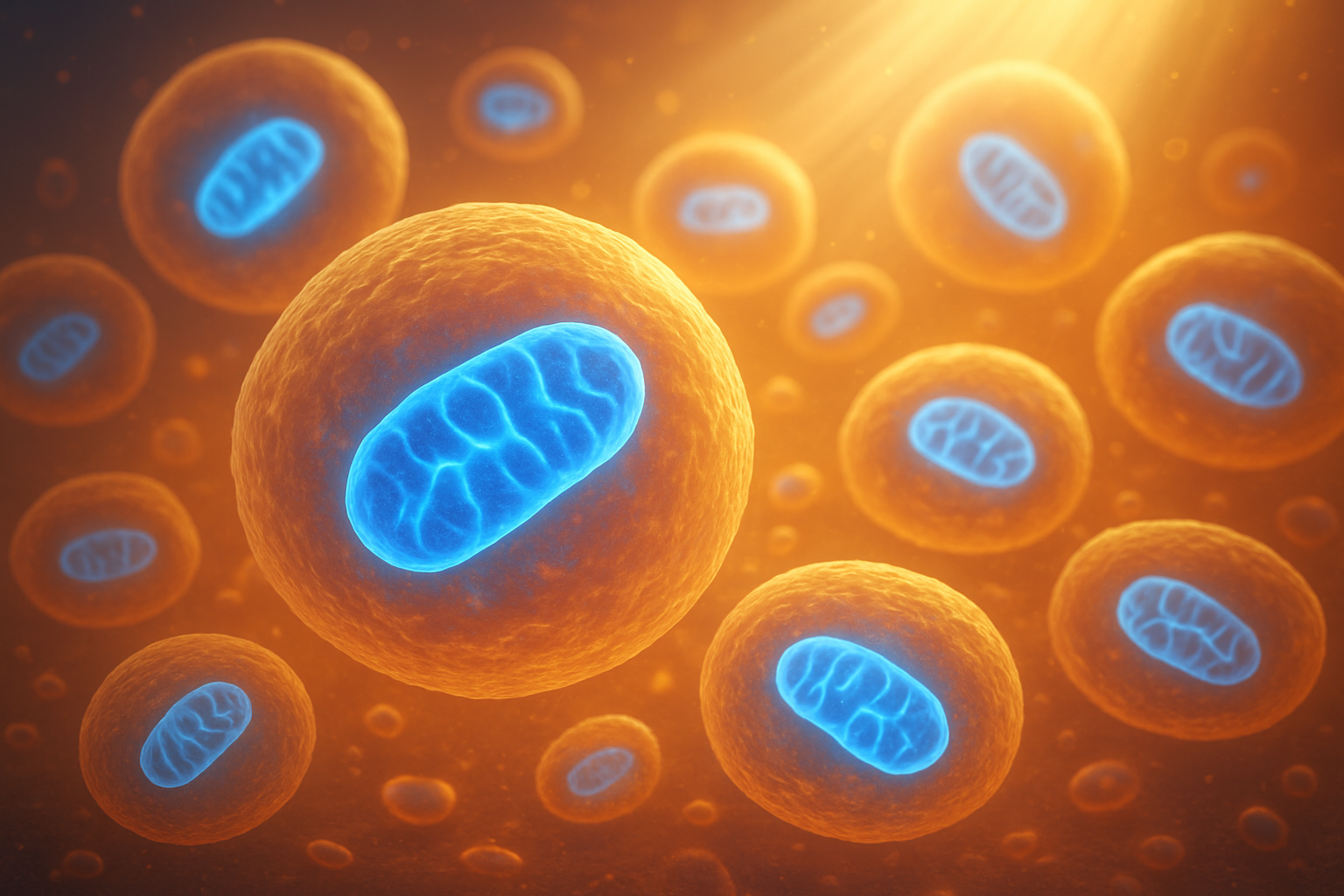
Mitochondria are tiny energy factories inside your cells.
When they work well, you feel energetic, strong and mentally clear.
As they weaken with age, you may notice:
- lower stamina
- slower recovery
- more fatigue
- reduced metabolic health
How to support mitochondrial health
- Regular movement, especially brisk walking, cycling, swimming and resistance training
- “Zone 2” cardio (steady, moderate effort)
- Quality sleep
- Managing stress
- Minimising long periods of sitting
These habits retrain mitochondria to produce energy efficiently and stay resilient.
2. Repair Systems: How Your Body Maintains Itself
Every day, your cells experience damage from normal metabolism, stress, pollution and inflammation. Ageing accelerates when the body can’t repair damage fast enough.
Two key systems protect you:
a) DNA Repair
Healthy cells constantly scan and repair tiny bits of DNA damage.
Slower DNA repair is linked to faster ageing.
b) Autophagy (“Cellular Housekeeping”)
Autophagy clears out old or damaged components so cells can stay efficient.
You can boost cellular repair through:
- Consistent, high-quality sleep
- Regular movement
- Avoiding highly processed foods
- Allowing periods of lighter eating (not overeating late at night)
These signals tell the body to prioritise repair over storage.
3. Inflammation Control: Reducing “Inflammaging”
A small amount of inflammation is normal.
But long-term, low-grade inflammation — called inflammaging — damages cells and accelerates ageing.
It's driven by:
- poor sleep
- chronic stress
- abdominal fat
- inactivity
- poor diet
- gut imbalance
- environmental toxins
Lowering inflammation supports:
- better energy
- brain clarity
- reduced disease risk
- healthier metabolism
Healthy lifestyle choices are the most effective anti-inflammatory strategy.
4. Metabolic Signals: How Your Cells Decide Between “Repair” or “Storage”
Cells constantly interpret signals from nutrients, hormones and stress.
Problems occur when these signals become distorted — often due to modern lifestyle patterns.
Disrupted signalling can lead to:
- insulin resistance
- weight gain
- fatigue
- increased inflammation
- reduced longevity
Restoring metabolic balance involves:
- eating whole, minimally processed foods
- stable meal patterns
- increasing movement throughout the day
- maintaining a healthy waist circumference
- sleeping at consistent times
Balanced nutrient signals push cells toward repair, not storage.
5. Hormonal Rhythms: Your Body’s Communication Network
Your hormones coordinate almost every cellular process — metabolism, recovery, sleep, mood and energy.
Ageing influences these rhythms, but so do lifestyle factors.
You can support hormone balance by:
- strength training
- adequate protein intake
- consistent sleep–wake cycles
- morning light exposure
- evening light reduction
- stress management habits
Balanced hormones = better cellular performance.
6. The Gut–Cell Connection
Your gut microbiome produces compounds that influence:
- inflammation
- immune function
- mitochondrial health
- metabolic control
- brain function
An unhealthy gut increases fatigue, inflammation and poor recovery.
Support a healthy gut by:
- eating diverse plant foods
- including fermented foods
- staying hydrated
- managing stress
- limiting excessive alcohol
- daily movement
Your gut environment is one of the strongest predictors of long-term wellbeing.
7. Sleep & Recovery: Where Longevity Happens
Sleep is the body’s primary repair window.
During good-quality sleep, your body:
- repairs DNA
- clears metabolic waste from the brain
- rebuilds muscle
- regulates hormones
- reduces inflammation
Most adults need 7.5–9 hours, with:
- consistent bed/wake times
- morning sunlight
- dim lighting before bed
- reduced screens at night
- a cool, dark sleep environment
Sleep is one of the most powerful longevity tools available.
8. Daily Habits That Support Cellular Longevity
Move Regularly
- Strength training + cardio
- Avoid long sitting blocks
- Gentle movement throughout the day
Protect Your Sleep
- Consistent schedule
- Evening wind-down routine
Eat Whole Foods
- Colourful plants
- Good-quality proteins
- Healthy fats
- Minimal ultra-processed foods
Maintain a Healthy Weight
- Abdominal fat strongly drives inflammation
Manage Stress
- Breathing exercises
- Nature time
- Mindfulness
- Social connection
Spend Time Outdoors
- Natural light improves metabolism, mood and circadian rhythm
Protect Muscle Mass
- One of the strongest predictors of long-term health
Challenge Your Brain
- Learning, puzzles, reading, social engagement
9. The Big Picture
Focusing on cellular health is one of the most effective ways to improve your long-term wellbeing.
When your cells can:
- produce energy efficiently
- repair themselves
- communicate well
- control inflammation
- adapt to stress
…you age slower, feel better, and stay healthier for longer.
Small, consistent daily habits compound — your future self benefits from what you build today.